Building Brighter Future- Innovative Approaches to Integrating Sustainable Development Goals (SDGs) in Early Learners
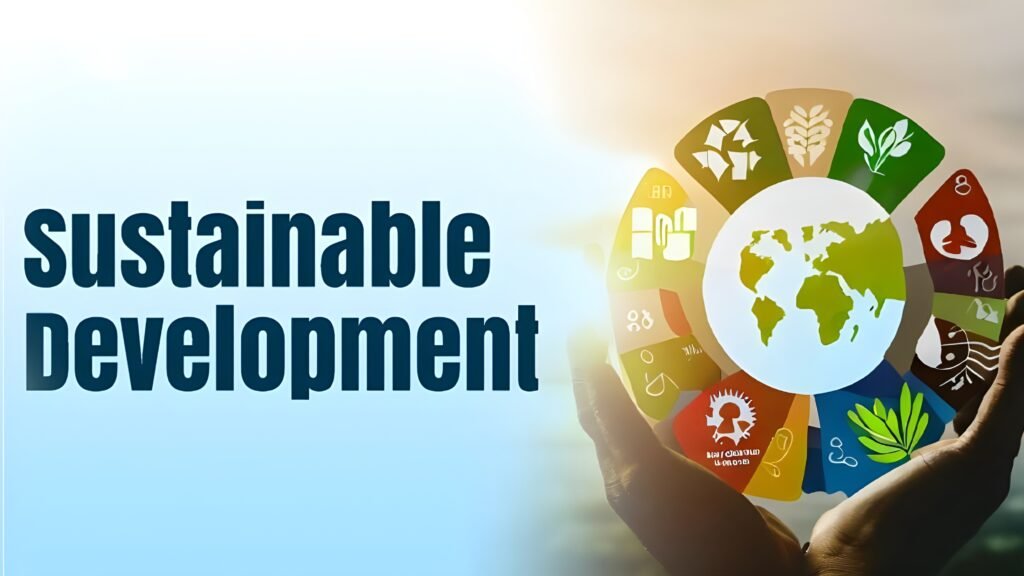
NAVTIKA | VOL XVI | ISSUE NO. 1 (August 2025- November 2025) Author: Arpita Singh Abstract This article explores innovative approaches to integrating Sustainable Development Goals (SDGs) into early childhood education, focusing on pedagogies, community engagement, and experiential learning. It highlights successful case studies and best practices worldwide, demonstrating how early learners can develop essential skills and values for sustainability. The article emphasizes the importance of integrating Sustainable Development Goals (SDGs) into early education to foster responsible global citizens and provides practical examples for educators to create impactful learning experiences. Introduction The Sustainable Development Goal (SDG) emphasizes the need for quality education, Sustainable Development Goal 4 (SDG) 4 and environmental sustainability. Integrating these goals into early childhood education is essential for fostering responsible global citizens from an early age. Innovative pedagogies, community engagement, and experiential learning can help young learners grasp sustainability concepts effectively. 1. Innovative Pedagogies for Integrating Sustainable Development Goals (SDGs) into Early Learning “Children are not things to be moulded, but are people to be unfolded.” – Jess Lair.Innovative teaching methods such as inquiry-based learning, project-based learning, and nature-based education are effective in embedding Sustainable Development Goals (SDGs) into Pre-School curricula.Case Study: Green Pre-Schools in Sweden have successfully implemented sustainability into learning by engaging children in growing their food, reducing waste, and storytelling about environmental conservation.Example: Teachers in India encourage children to bring reusable lunch boxes and water bottles, reinforcing Sustainable Development Goal (SDG) – (Responsible Consumption and Production). 2. Best Practices in Early Childhood Classrooms for Promoting Sustainability “We do not inherit the earth from our ancestors; we borrow it from our children.” – Native American Proverb.Sustainable classrooms focus on reducing waste, conserving energy, and integrating nature into learning environments.Case Study: The Sustainable Schools Program in Australia involves young children in composting, water conservation, and solar energy use, fostering a culture of sustainability from an early age.Example: Organizing “Eco-Fridays” where children engage in tree planting, recycling, and environmental storytelling, reinforces Sustainable Development Goal (SDG) (Climate Action) 3. Case Studies of Successful Sustainable Development Goal (SDG)-Focused Early Learning InitiativeCase Study: Little Eco-Warriors in Kenya talk about clean water (Sustainable Development Goal-6 (SDG-6) through hands-on activities like visiting local water sources and learning about water filtration.Example: A Montessori preschool in the USA integrates sustainable gardening, where children grow vegetables and learn about Sustainable Development Goal (SDG) 2 (Zero Hunger) 4. Role of Play-Based and Experiential Learning in Fostering Sustainability “Play is the highest form of research.” – Albert EinsteinPlay-based learning fosters critical thinking, creativity, and problem-solving, making sustainability concepts more relatable to young children.Case Study: Forest Schools in Finland use outdoor play to teach biodiversity(Sustainable Development Goal (SDG) 15) by observing plants and animals in their natural habitats.Example: Brazilian classrooms use recycled materials for toys and artwork, reinforcing the importance of reusing and reducing waste (Sustainable Development Goal (SDG) 12). 5. Developing Age-Appropriate Sustainable Development Goal (SDG)-Related Content and Activities “Tell me and I forget. Teach me and I will remember. Involve me and I learn.” – Benjamin Franklin.Early childhood educators use stories, songs, and hands-on activities to introduce sustainability concepts effectively.Case Study: German Pre-Schools use illustrated books and puppet shows to teach environmental protection to young learners.Example: Water play activities in India demonstrate Sustainable Development Goal SDG) 6 (Clean Water and Sanitation), helping children understand conservation. 6. Policies and Frameworks Supporting Sustainable Development Goal (SDG)- Aligned Early Education“Education is the most powerful weapon which you can use to change the world.” – Nelson Mandela.Global frameworks such as UNESCO’s Early Childhood Care and Education (ECCE) framework guide the integration of sustainability in early education.Case Study: Finland’s national curriculum incorporates sustainability education from preschool onwards. 7. Teacher Training and Professional Development for Sustainable Development Goal (SDG) Integration “A teacher affects eternity; he can never tell where his influence stops.” – Henry Adams.Educator training programs equip teachers with the skills to incorporate sustainability into early learning.Case Study: Canada’s climate education program offers courses that help preschool teachers use storytelling and hands-on learning to teach the Sustainable Development Goals (SDGs).Example: Teacher development sessions conducted every month in Singapore foster collaboration and exchange of best practices for sustainability education 8. Community Engagement and Partnerships in Early Childhood Sustainability Education “It takes a village to raise a child.” – African ProverbCollaborating with parents, local businesses, and organizations enhances sustainability education.Case Study: Eco-Farming in the Philippines involves children and parents in organic farming initiatives, promoting Sustainable Development Goal (SDG) 2 (Zero Hunger).Example: USA preschools run “Green Family Challenges,” where families track sustainable habits such as reducing electricity use and composting food waste. Conclusion Integrating Sustainable Development Goals (SDGs) into early childhood education through innovative pedagogies, experiential learning, and community involvement can foster a generation of environmentally conscious and responsible individuals. By adopting best practices and global frameworks, educators can create impactful learning experiences that align with sustainability goals. References About AuthorArpita SinghFoundational years facilitator in Gardenia Public School, Kanpur, Uttar Pradesh.